Is Weed Eating Hard? [What Makes It Easy or Brutal]
It depends on 4 things. Here's what makes it simple and what makes it brutal, especially in the Sierra foothills.
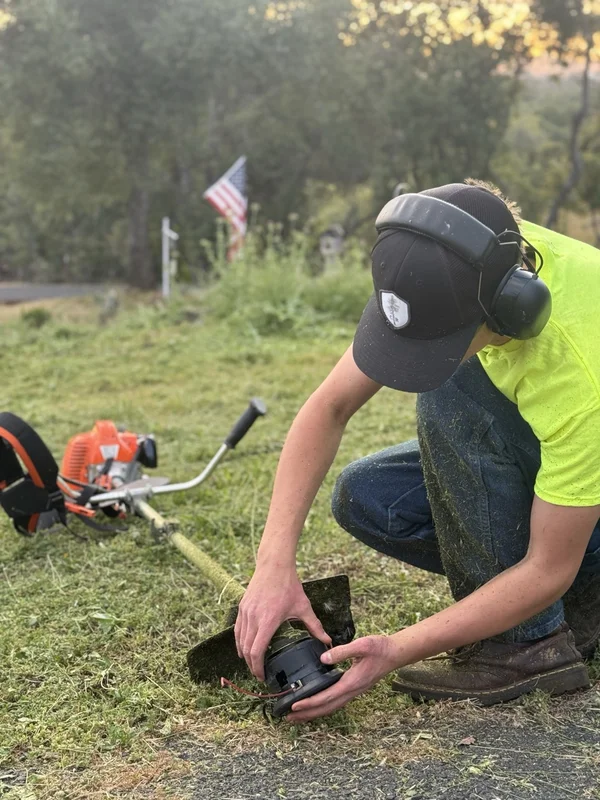
If you've never used a weed eater before, or you're staring at your yard wondering whether to just hire someone, here's the short answer: it depends.
On flat ground with short grass? Weed eating is about as simple as yard work gets. You can learn the basics in ten minutes. But throw in a steep hill, tall grass, or a rocky property, and it turns into a completely different job.
Let's walk through what makes weed eating easy or hard so you can decide whether to grab a trimmer yourself or call somebody.
When Weed Eating Is Easy
If your situation checks these boxes, you can probably handle it yourself without much trouble.
Short grass on flat ground. If the weeds are around six or seven inches or less and the ground is level, weed eating is straightforward. Just walk and sweep the trimmer back and forth.
A small area. A side yard, a strip along the fence, a patch around the mailbox. Small enough to finish in 20 or 30 minutes? Very manageable.
Clean ground. No rocks, sticks, or debris to worry about. You just walk, sweep, and you're done.
If all three of those things are true, you probably don't need to hire anyone. Get the right gear and do it yourself.
The 4 Things That Make Weed Eating Harder
Here's where the difficulty ramps up. Each one of these factors adds real effort to the job.
1. Rocks
This is a big one in the Sierra foothills. A lot of properties in Tuolumne County and Calaveras County have rocky ground, and rocks turn easy weed eating into a headache fast.
When the trimmer line hits a rock, it flings it. String trimmers can throw debris at high speeds, and a rock to the shin is no joke. You have to slow down and constantly watch what's under the grass.
Rocks near buildings are even trickier. One wrong hit and you crack a window or break a glass door. If your property has a lot of rocks close to the house, go very slowly or accept that hiring an experienced crew saves you from an expensive mistake.
2. The Size of the Area
A small side yard is one thing. A big open property out in Jamestown or Columbia with no shade? That's a completely different job, even if the ground is flat.
Most gas weed eaters weigh 10 to 15 pounds with a full tank, and heavier commercial models push close to 20. Swinging that weight back and forth for an hour or two in the sun gets tiring fast.
Even on flat terrain, a big area requires skill to make things look even. Cutting too low in one spot and too high in another leaves a choppy result.
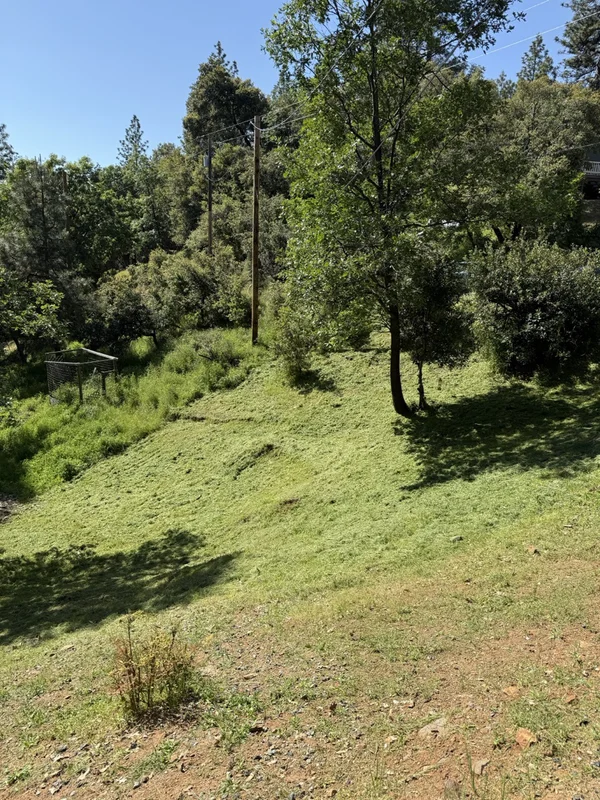
3. Slopes and Hills
This is where weed eating goes from "a little tiring" to "legitimately difficult."
If you're working on any kind of slope, you're fighting gravity the entire time. You're bracing your footing with every step, holding heavy machinery while trying not to slide. One wrong step can mean a fall.
This matters a lot if you're over 50. Balance and recovery time become bigger factors. A 25 year old might scramble up a slope without thinking about it. For someone older, a slip while holding a running trimmer is a real safety concern.
The hills around Twain Harte, Sonora, and the surrounding foothills are no joke. If your property has any serious slope, be honest with yourself about whether you can handle it safely.
4. The Height and Type of Grass
How tall the grass is changes the job more than most people expect.
Six or seven inches and under: Easy. One pass and you're done.
One to two feet tall: Harder. You have to make multiple passes to cut it down and lay it flat. The trimmer bogs down in thick, tall grass, and it wears you out faster.
Three feet and taller: This is where it stops being a casual weekend chore. We've had jobs where the grass was five feet tall, and at that point, you're looking at days of work without commercial equipment.
The type of grass matters too. Dry grass is lighter and cuts easily, but on a hot day, it kicks up fine particles and dust that hang in the air and get into your lungs. After a few hours of it, you'll be coughing, and we'll spare you the details on what your nose looks like at the end of the day.
Here's the frustrating part: a mask sounds like the obvious fix, but wearing one while you're sweating in the sun for hours has its own problems. You're breathing your own hot air, your oxygen feels limited, and in the heat, it can make you lightheaded or even faint. You're stuck choosing between breathing dust or overheating behind a mask.
This is one of the reasons dry grass on a big property is a much more involved project than people expect. Best case, there's a breeze blowing the particles away from you. Worst case, you're working in still air on a 95 degree day, and it's miserable no matter what you do.
Green, thick grass is heavier and harder to cut through. You have to work harder too.
The Safety Gear You Actually Need
You might be tempted to skip the gear and just get out there in shorts and flip flops. Don't.
The U.S. Consumer Product Safety Commission reports that string trimmers and edgers cause roughly 4,600 injuries per year that need medical attention. About a third of those are eye injuries.
At minimum, you need:
- Safety glasses or goggles. A rock to the eye can cause permanent damage. Don't skip this one.
- Loose long pants. The looser the better. Loose fabric absorbs the speed of a flying rock before it reaches your shin. Tight pants don't give you that cushion. It's the difference between a sting and a bruise.
- A loose long sleeve shirt. Same idea. Loose fabric breaks the impact of flying debris on your arms. It also gives you a little sun protection on long jobs.
- Closed toe shoes or boots. No sandals. Boots are best.
- Hearing protection. Gas trimmers are loud. Earplugs are cheap.
So Should You Do It Yourself or Hire Someone?
Here's an honest breakdown.
Do it yourself if: You have a small, flat area with short grass, the right gear, and no balance or mobility concerns.
Think about hiring it out if: The area is big, the terrain is steep, the grass is over two feet tall, or you don't own a trimmer and don't want to buy one.
If your property falls somewhere in the middle, start with a small section and see how it goes. No shame in doing half yourself and calling someone for the rest.
For what weed abatement typically costs in the foothills, check out our full pricing breakdown.
To Give You an Idea How We Do It
We didn't want to make this whole article about us, because there are several decent crews in the foothills and you should pick whoever fits your situation best. But if you're thinking about us, here's how we run things:
- We charge by the project, so you know your price upfront
- When you call, somebody picks up
- When you send a message, you get a real reply
- When we say we'll be there Tuesday at 9, we're there Tuesday at 9
That's pretty much it. We just try to do what we say we're going to do.
Ready for Your Free Estimate?
If you've got a property that's more than you want to tackle yourself, the easiest thing is to ask what it would cost. We'll come out, walk it with you, and give you a real number with no pressure to book.
You can also call us anytime. We actually answer.
Frequently Asked Questions
Is weed eating hard for beginners?
On flat ground with short grass, weed eating is easy to pick up. You can learn the basics in minutes. It gets harder on hills, in tall grass, or on rocky ground. If you've never used a trimmer, start with a small flat area and work your way up.
Is weed eating good exercise?
It's a solid workout. You're on your feet, swinging your arms, and walking the whole time. Most gas trimmers weigh 10 to 15 pounds with a full tank, and after 30 minutes to an hour, your arms, shoulders, and back will feel it. Watch for fatigue in the heat.
What safety gear do I need for weed eating?
At minimum: safety glasses, loose long pants, a loose long sleeve shirt, closed toe shoes, and hearing protection. Loose clothing is key because the fabric absorbs the impact of flying rocks and debris before it reaches your skin. String trimmers throw debris hard enough to cause serious injuries, especially to your eyes and shins. Don't skip the gear.
Can older adults safely use a weed eater?
Yes, on flat ground with manageable grass. The key concerns are balance on slopes, the weight of the machine, and fatigue from extended use. If you have any balance or mobility issues, steep hillsides are not worth the risk. Stick to flat areas or hire someone for the tough spots.
How long does it take to weed eat a yard?
A small side yard might take 15 to 20 minutes. A typical residential lot in the foothills runs an hour or two. Tall, thick grass doubles or triples that because you need multiple passes. Big properties with slopes can be a full day job.
Is it worth buying a weed eater or should I hire someone?
If you have a small property and plan to maintain it regularly, owning a trimmer makes sense. If you only need it done once or twice a year, or the job involves steep terrain or very tall grass, hiring a crew is usually the better move.
Want to go deeper?
Star thistle is the weed that humbles most DIYers, and if you'd rather hire the job out, we ranked the local crews too.